|
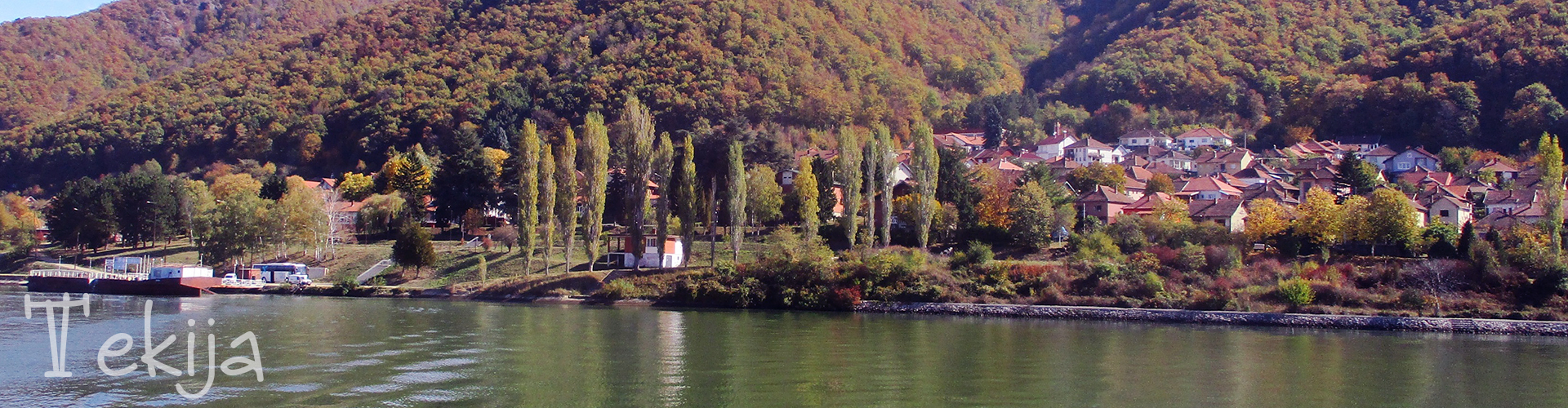
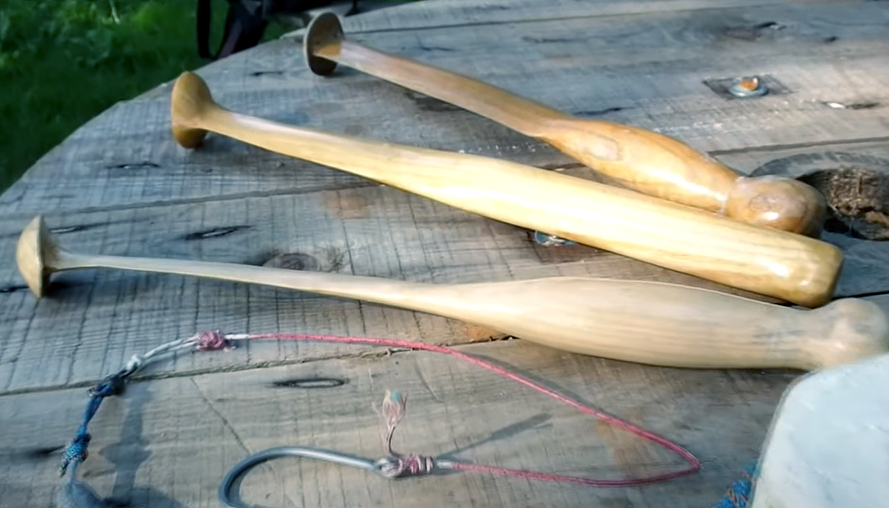
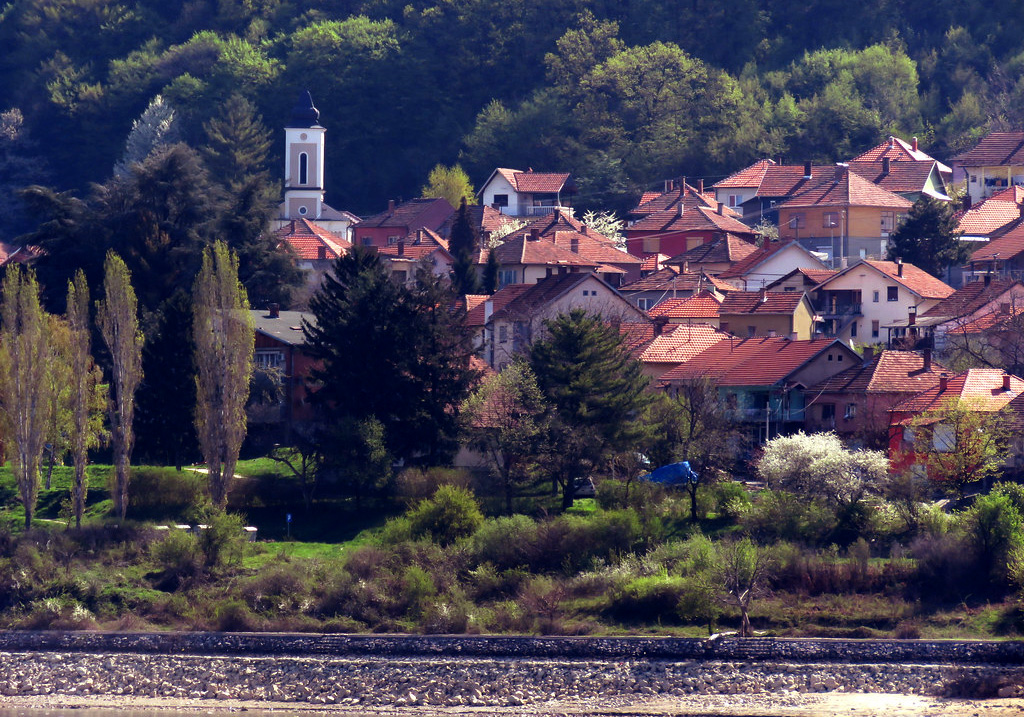
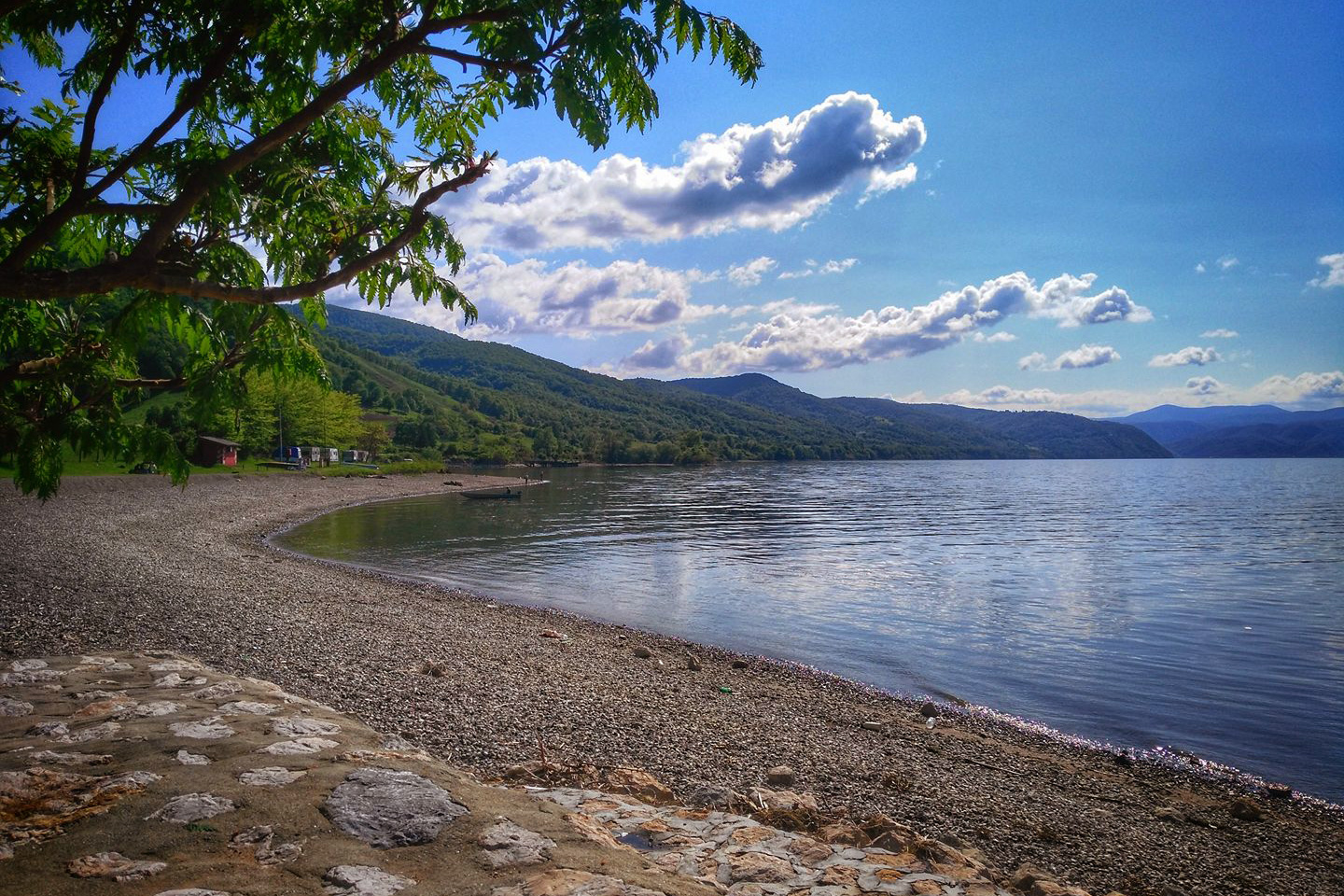
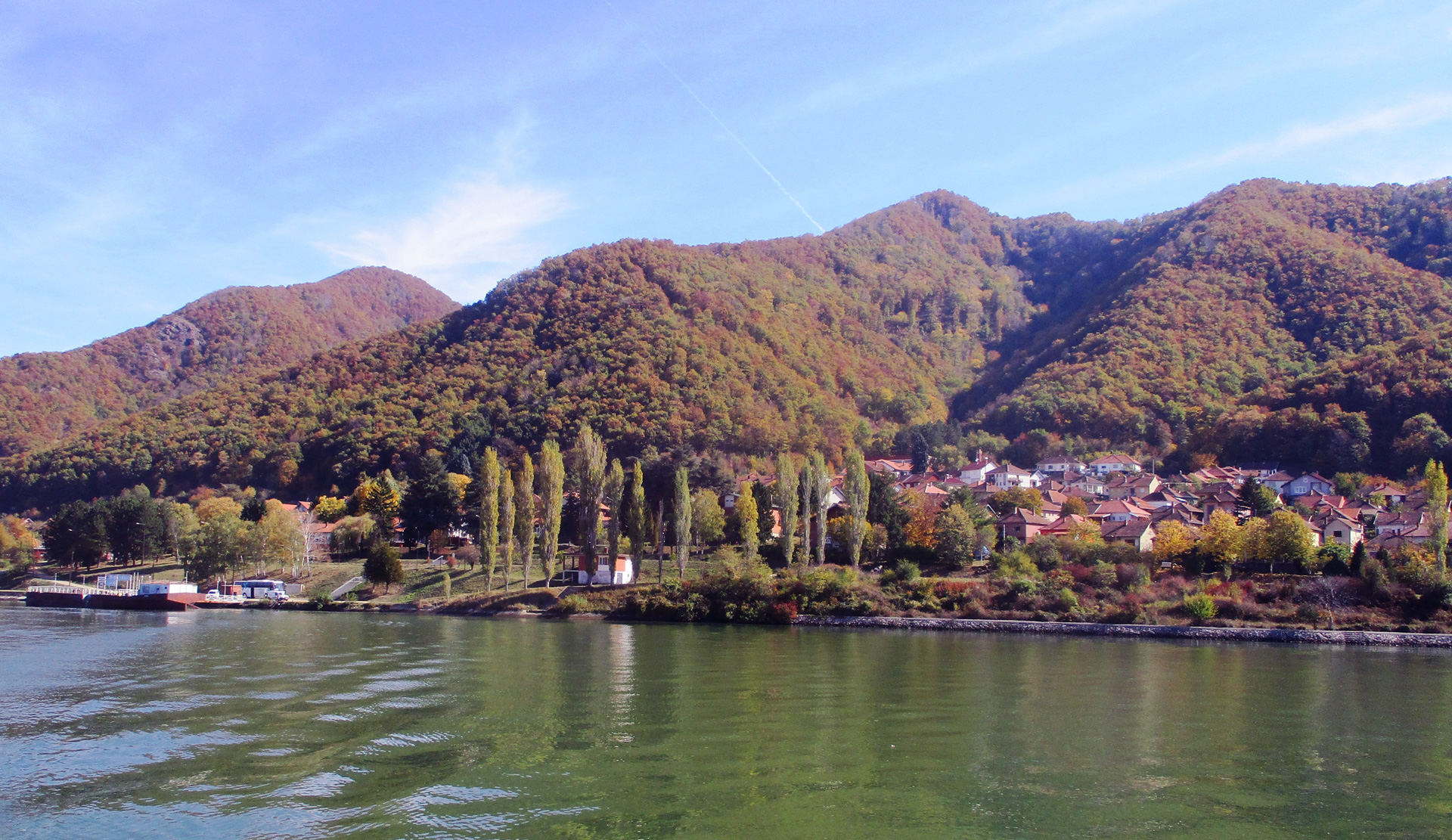
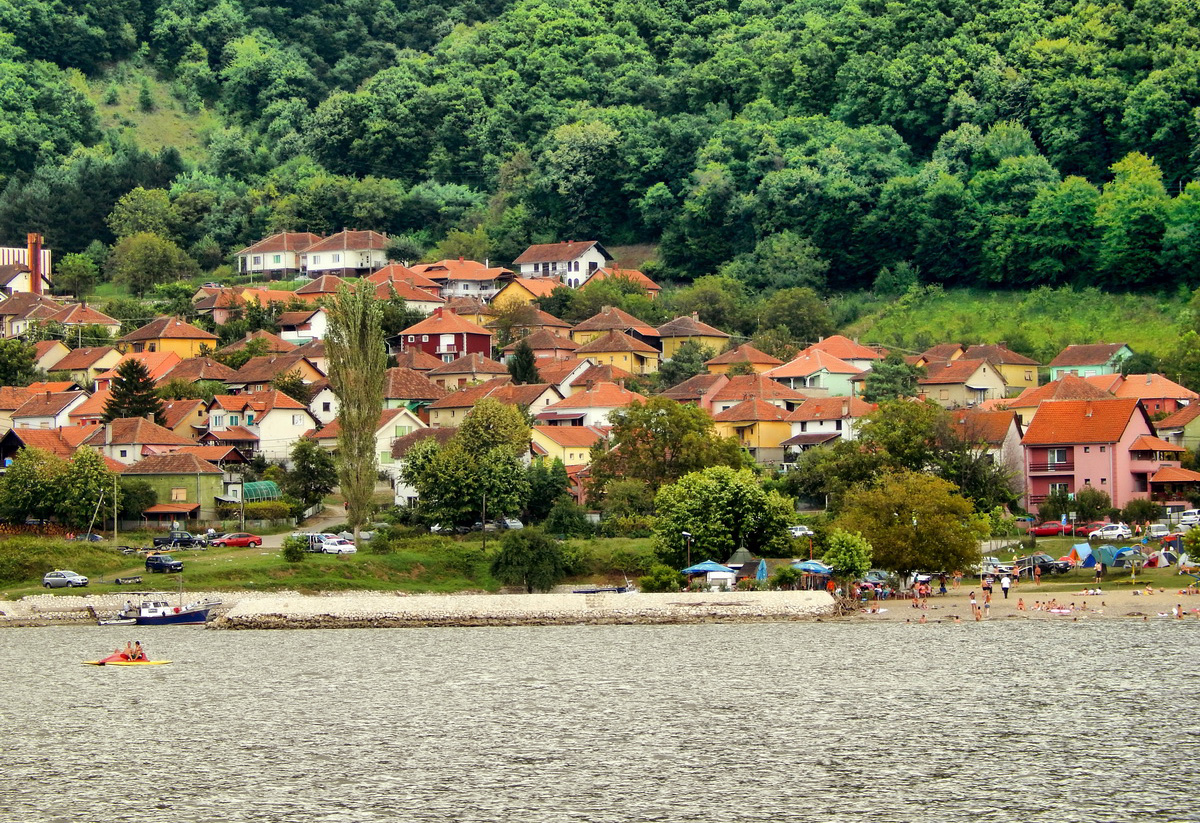
In the most beautiful part of the "Đerdap" National Park, which is located on the very shore of the beautiful Djerdap Lake, lit by the sun and beautiful as a pearl, lies Tekija. Decorated with thousands of roses, hydrangeas (also known as Tekijanka) and other decorative flowers, Tekija rests on the slopes of Mount Miroč. Nova Tekija, with its well-organized infrastructure, good supply, motel, beautiful and modern houses surrounded by flowers and greenery, today is not only the most beautiful city on the banks of the Danube, but also the most pleasant place to rest. Today's Tekija is well-known for the tourist, sports and cultural event "Golden Bućka Djerdapa", which is organized every August and during which catfish is caught with a "bućka". This specific way of catching fish in Tekija is accompanied by various sports, cultural and entertainment events. The history of Stara Tekija Historiographers mostly mention this settlement as the starting point of the bridging of the Danube by the Roman Emperor Trajan in the Second Dacian War (105-106 AD). Tekija also appears later throughout history as a place where important events took place: as the place of origin of the famous Serbian family Tekelije and the great diplomat from the first half of the 19th century - Avram Petronijević, then as the execution ground of Koča Anđelković in the Austro-Turkish War in 1799, and as the area of conflict between the Turkish imperial army and the army of the janissary outlaw Pazvan-oglu in the period between 1795 and 1800. The area of Tekija municipality within the Ključki county, under Serbian administration since 1833, stretched along the Danube, from Trajan's Plaque to Elizabeth Castle, opposite the island of Ada-kale. As a settlement called Teke (named after a Turkish place of worship, a dervish tekiya), Tekija was first mentioned in the sources in 1807 as a small village on the right bank of the Danube in Djerdap gorge. Tekija began to develop economically, considering that the traffic of goods from the inner parts of the Empire, via the Tekija market and the bazaar, went further towards Orsava, Timișoara and Budapest. In Tekija and Oršava, on May 31 1953, Yugoslavia and Romania signed the Agreement on the Establishment of the River Administration for Djerdap.
Tekija, like Donji Milanovac, was submerged by the Danube during the construction of the "Đerdap I" hydroelectric power plant and the creation of the artificial lake Đerdap. A new settlement with the same name - Tekija was built above the lake. Archaeological finds dating back to the time of the emperors Mavrik and Komnen confirm that a settlement existed in the same place during Byzantium in 1733. It was mentioned in Austrian documents as the settlement of Klovilovo, and in 1784 as the settlement of "Teke". The following are considered the founders of this settlement: Tekelerovići or Tekeljani, then Petkovići or Miješti and Vojmirovići or Jordacevici. Between the two world wars, Tekija was a very wealthy small town on the Danube. The River Administration for Đerdap, organized in 1933, whose director was necessarily the Deputy Minister of Transport of Serbia, brought in a lot of money from taxis. The ship pilots, the elite in the river navy, who were taking command of the ships through the Djerdap gorge, since they were the only ones who knew how to guide the ships through the raging rapids of the Danube, between the famous underwater rocks and through the wild, swirling and foaming waters of the Djerdap gorge, were paid as ministers, and there were a lot of them in Tekija Avram Petronijević, one of the four defenders of the constitution during the time of Prince Miloš, was born in Tekija. He was the first president of the First Serbian Government as well as the Minister of Foreign Affairs of Serbia during the time of Karađorđević, in which position he died in 1853 in Constantinople. The elementary school in Tekija is the oldest in the municipality of Kladovo and one of the oldest in Serbia. The school started operating in 1834. In Tekija, in 1788, the Turks executed Koča Anđelković, the leader of the uprising, after whom the entire region was named Kočina krajina. The monument erected in 1927 in his honor was moved 20 meters up so that it would not be submerged. Then the island of Ada Kale, 3 km from Tekija, disappeared forever in the depths of the Danube, on which Milenko Sojković, the Serbian duke from the First Serbian Uprising, with his pursuit caught and executed four Belgrade dahi: Aganlija, Kučuk - Alija, Fočić - Mehmed aga and Mula - Yusuf. The island of Ada Kale and its fortress, was located a few kilometers upstream from the current dam "Đerdap I". It was 1750 meters long and 500 meters wide. It represented the most important strategic point on Djerdap since the time of the Romans. During its turbulent history, it changed rulers, and the last inhabitants were mostly Turks who, after the construction of the "Đerdap I" HPP and the sinking of the island in 1971, were moved to their mother country, and the fortress was moved in pieces to the Romanian island of Shimian, downstream from the remains of Trajan's Bridge. It is interesting that the way of life of the inhabitants of the island did not change much through time and that the Muslim community maintained its customs and culture. They were engaged in the manufacture of ratluk, processing of tobacco, matches, fig and olive products. |





Book your vacation to remember.
Wellcome!
 |
This website does not reflect the views of the European Union, the Government of the Federal Republic of Germany and the German Organization for International Cooperation (GIZ), but exclusively of the holder of the Casa DaFin Rural Tourist Homestead project. |
